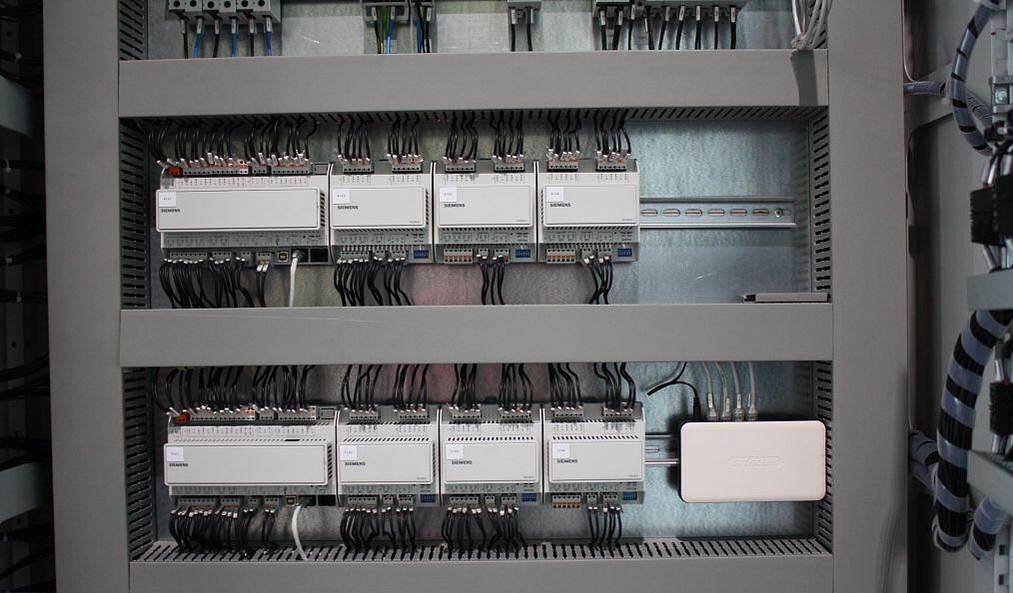
At the end of the course, you are expected to demonstrate knowledge, have a detailed understanding and proficiency in power generation, transmission and distribution, understand the dangers associated with working with, or around electrical equipment, apply safety measures on how to protect yourself and the equipment.

At the end of the course, you are expected to demonstrate knowledge, have a detailed understanding and proficiency in handling most common switches, timers and control devices found in every industry. You have hundreds (probably thousands) of these devices in your plant. We will show how these devices work, how they are wired, and how to troubleshoot them. This program also provides the first step in learning ladder diagram.
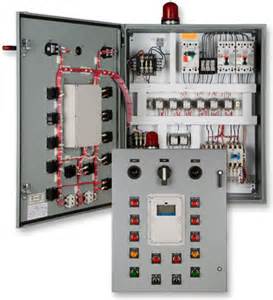
At the end of the course, you are expected to demonstrate knowledge, have a detailed understanding and proficiency in handling covers the most common switches, timers, and control devices found all industries. We show how these devices work, how they are wired, and how to troubleshoot them. This program also provides the first step in learning ladder diagrams
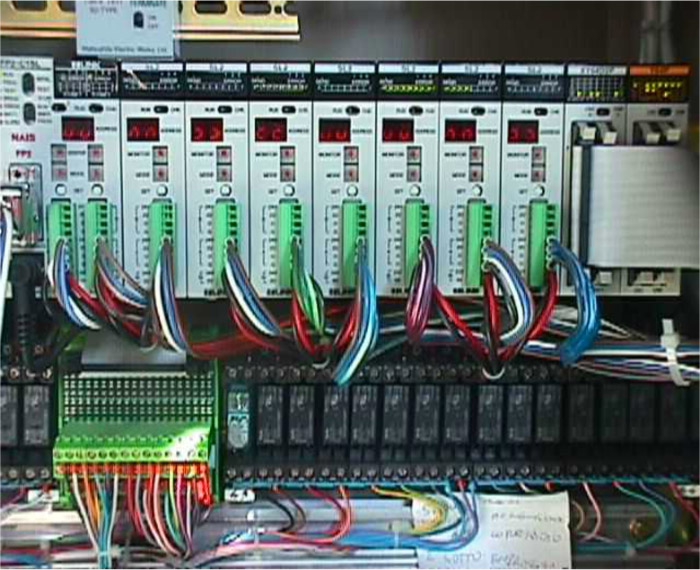
All maintenance personnel must know how to read and write ladder diagrams
it’s an essential skill. Plus, it’s a prerequisite to using PLCs (programmable controllers). This program explains the components of a control circuit and moves on to more complex circuits. Use this program to learn the fundamentals of control circuits and then go on to Preventive Maintenance & Troubleshooting Control Circuits and learn troubleshooting.

Preventive Maintenance & Troubleshooting Control Circuits
This modules covers the most basic, fundamental, and important troubleshooting skills needed in the plant. It’s not enough to know what the different components do you need a quick way of identifying and solving control circuit problems. For example, the main problem with a short circuit isn’t the short itself—it’s the fact that things aren’t running. Combine this program with the one on the previous module for a complete control circuit toolkit. Use both programs to make sure you understands control circuits and can troubleshoot them
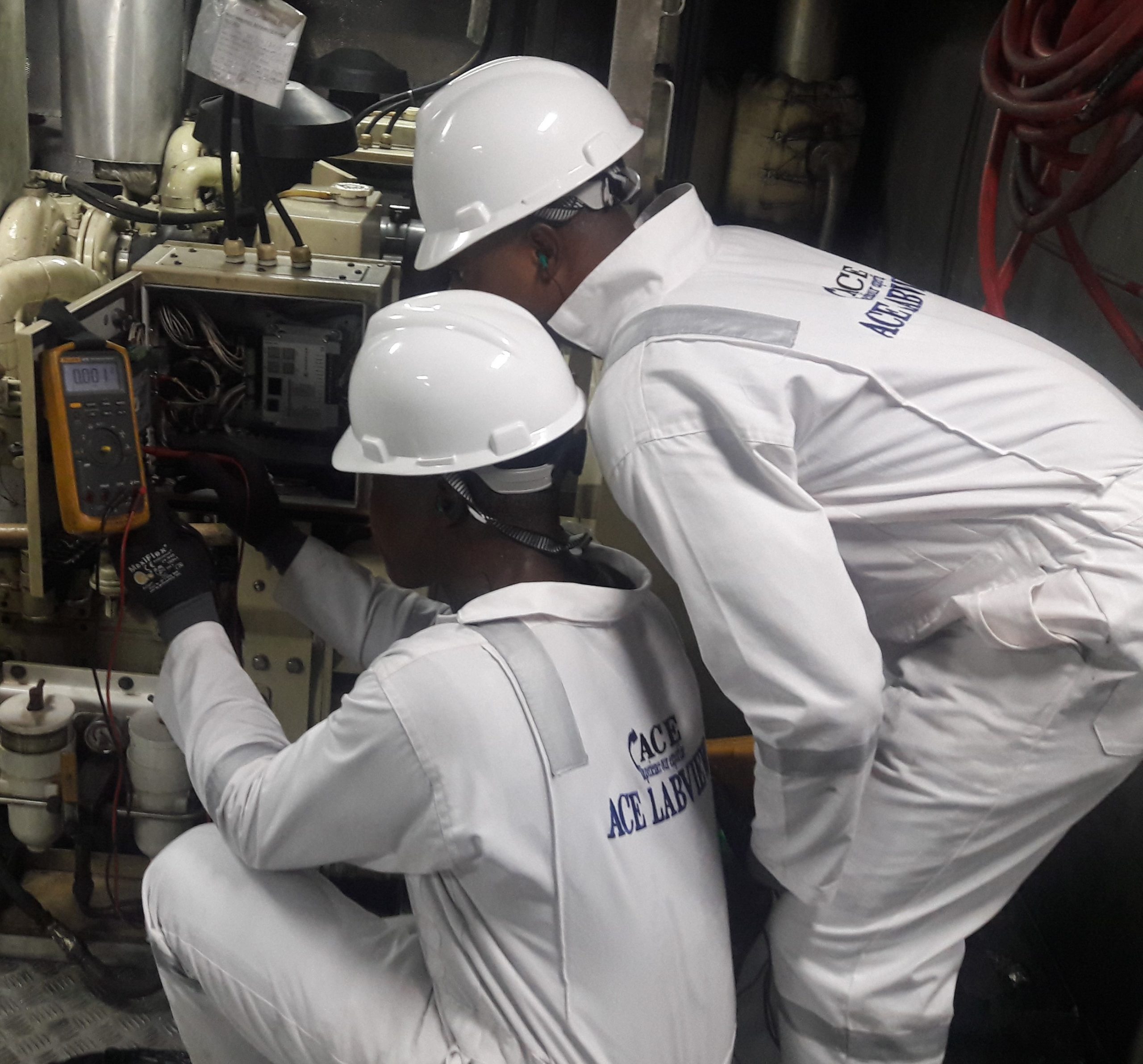
This program gives everyone the practical motor control knowledge they need as well as explains the different causes of motor failures and the ways to prevent them. Whether you’re using AC or DC motors, this program will give everyone in your plant the skills to protect your equipment. This program, combined with Sizing the Protection of Motors & Control Circuits, provides the best reference for safe motor operation in your plant.

Some skills, such as reading motor nameplates, may be basic but are still important. The information in this program is extremely important because if someone makes a mistake, not only will you not be up to code, but a dangerous situation could occur. After under going this this program, you’ll not only be able to prevent future problems, but also spot and solve problems that may have been lurking in your plant for years.

Cut AC Motor Troubleshooting Time in Half
•Troubleshoot solid-state starters by quickly detecting mis-firings of SCRs
•Before someone can troubleshoot a 1Ø or 3Ø motor they need to understand how they operate-we’ll show you how
•Troubleshoot the different reversing methods and circuits used with AC motors
•The motor may be working, but is it working properly-learn to identify the hidden problems that can cause your motor to fail
•Troubleshoot across-the-line start motors as well as the 5 types of reduced-voltage start motors
•Is the fault at the motor or is it the circuit-learn how to quickly troubleshoot using the ladder diagram
•Solve the trickiest reduced-voltage start problem
•Understand how variable speed drives work and where to look to solve problems
•Quickly troubleshoot multispeed motors and their circuits-learn how to double check the connections
•Cut troubleshooting time by looking for the most likely causes of motor failure first
Troubleshoot and Avoid DC Motor Failure
•Keep the production line running-learn to troubleshoot and control the speed of DC motors
•Avoid the most common mistakes made during the installation and maintenance of brushes
•Learn how to detect an SCR fault in the power bridge of a DC drive
•See how noise can affect the operation of a DC drive and learn to correct it Series, shunt, and compound motors require different troubleshooting techniques—we’ll show you the quickest ways to find faults
•Troubleshoot both the circuits and components used in the three most common methods of decelerating a DC motor
•Bring full-voltage and reduced-voltage DC motors back on-line fast
•Understand how DC motors are reversed so you’ll be better prepared to troubleshoot them
•Use our proven techniques for detecting problems in a series, shunt, and compound DC motor before they break

PLCs-What Everyone Needs to Know
•If you’re using PLCs to control motors, make sure you’re implementing low-voltage protection-we’ll show you how and help you avoid potential injury to personnel and equipment
•Is your PLC system safely and properly installed-learn which sections of the control circuit must be left hardwired for safety reasons
•One small wiring mistake during trouble- shooting will make things worse-we’ll show you the right way to do it
•Follow our step-by-step method of converting a hardwired relay system to a PLC-based system-do it quickly and do it right!
•Troubleshoot the complete discrete I/O system-see it graphically-from power line problems to wiring connections to I/O modules to the detection of a bad field device
•Does everybody on your staff know how to troubleshoot PLCs and I/O-learn how to use the power of the PLC and its monitoring capabilities to help you